A Fragrant One-Pot Rice Dish That Sits Between Pulao and Biryani
If pulao and biryani ever met halfway, this would be the dish they created together.
Pulao Biryani is comforting, aromatic, and deeply nostalgic — lighter than a traditional biryani but more layered than a simple pulao. It carries the elegance of rice cooked in seasoned broth, yet finishes with the garnishes, fragrance, and presentation of biryani.
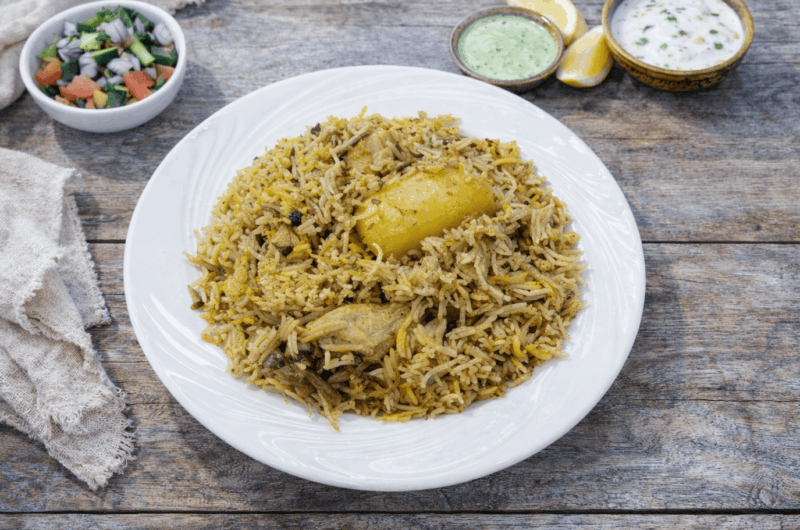
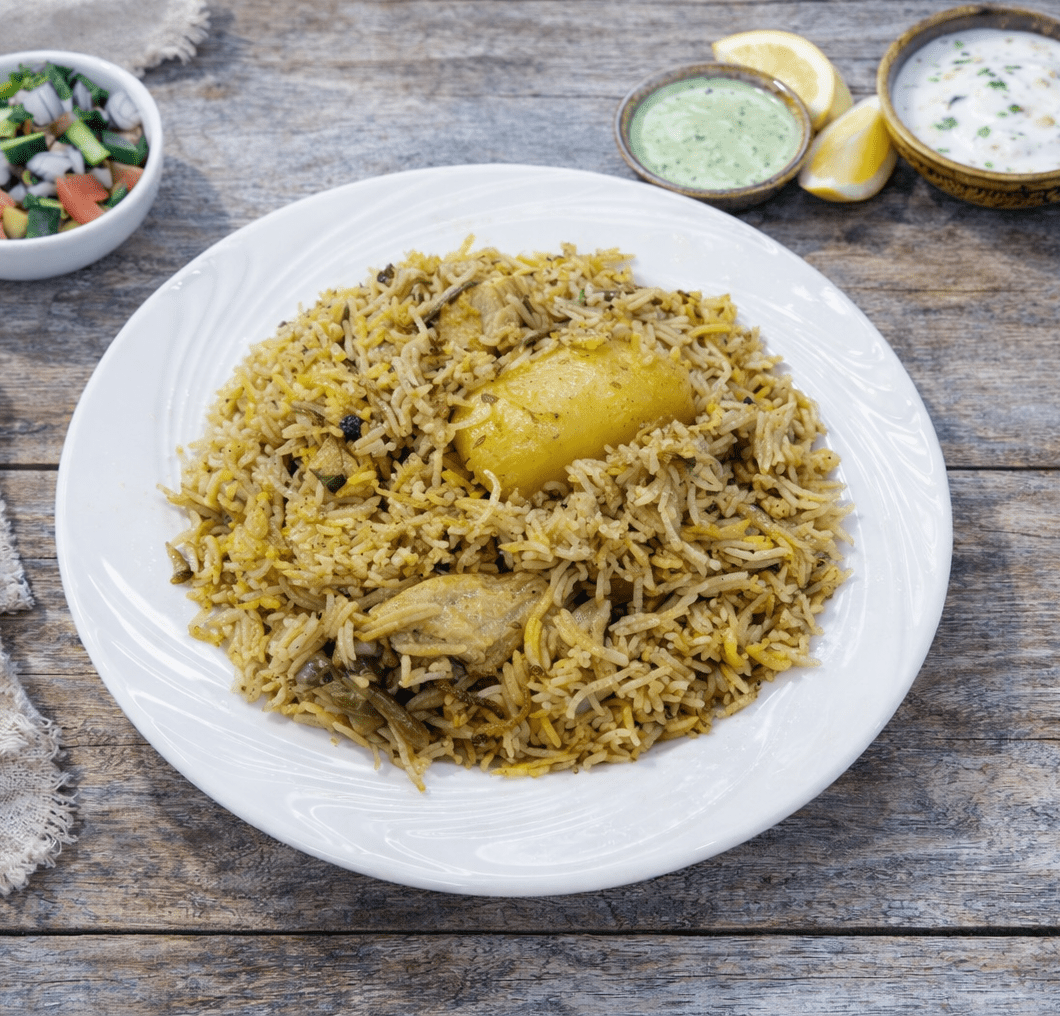
This Karachi-style Chicken Pulao Biryani is made with tender chicken, soft potatoes, caramelized onions, warming whole spices, and fluffy basmati rice — all cooked in one pot and finished on dum for that signature steam-infused aroma.
It’s the kind of dish that feels equally at home on a weeknight table or a Ramadan dawat spread.
What Is Pulao Biryani?
Pulao Biryani is often debated in South Asian kitchens — is it pulao, or is it biryani?
The answer lies in its technique.
Traditional biryani involves layering parboiled rice over a separate masala base, followed by dum cooking. Pulao, on the other hand, cooks the rice directly in seasoned stock.
Pulao Biryani uses the pulao cooking method but incorporates biryani-style finishing elements — fried onions, herbs, food color, and dum steaming — creating a hybrid that delivers flavor without heaviness.
The result is rice that is fragrant, fluffy, and gently spiced rather than intensely masala-coated.
Made Without Boxed Spice Mixes
One of the things that makes this pulao biryani truly special is that it’s made completely without boxed spice blends.
There’s no pre-mixed biryani masala here — just whole spices and freshly layered seasonings.
Using individual spices allows you to control the depth, warmth, and fragrance of the dish without overpowering the rice. It also keeps the pulao lighter in color and flavor, which is exactly what defines this style of biryani.
It’s proof that simple pantry spices, when used correctly, can create extraordinary flavor.
The Secret to the Perfect Pulao Color
One of the defining characteristics of a good pulao biryani is its color — a warm golden hue rather than a deep orange or brown.
And that color begins with the onions.
Light golden onions will produce a lighter pulao, while darker onions will deepen the overall tone of the dish.
Sprinkling salt over the onions while frying helps them cook faster and more evenly. Once they reach a light golden stage, adding a splash of water stops the caramelization process immediately, preventing them from turning too dark.
Reserving some fried onions for garnish enhances both presentation and texture.
Adding garam masala and roasted cumin and coriander powder toward the end of cooking also prevents the pulao from becoming too dark.
Why Peeling Tomatoes Matters
A small step that makes a big difference in this recipe is peeling the tomatoes before slicing them.
Tomato skins tend to separate during cooking and float through the rice, which can interrupt the smooth, clean finish of the pulao.
By peeling the tomatoes first, they melt seamlessly into the masala, creating a cohesive base without visible skins in the final dish. It elevates both texture and presentation.
Yogurt — How to Add It Without Curdling
Yogurt adds a gentle tang and richness to the masala, but it must be handled carefully.
Always whip the yogurt before adding it to the pot. This smooths out the texture and prevents lumps.
Equally important — lower the flame to the lowest setting before adding the yogurt. High heat can cause it to split or curdle.
Adding whipped yogurt on low heat allows it to blend smoothly into the masala, creating a creamy base rather than a grainy one.
The Karachi Signature — Potatoes
Adding potatoes instantly gives this dish a Karachi identity.
They absorb the seasoned broth beautifully and become soft, flavorful, and comforting — almost like built-in side dishes within the rice.
While optional, many consider potatoes essential to authentic pulao biryani.
Shah Zeera — The Aroma That Sets It Apart
Black cumin seeds, or shah zeera, distinguish this dish from a standard pulao.
Their smoky, deep aroma adds a biryani-like fragrance without darkening the rice. Sprinkled at the dum stage, they perfume the steam as the rice finishes cooking.
Kewra Water — Optional Finish
Traditionally, a few drops of kewra water are added during dum for fragrance.
If you enjoy floral notes, it adds a beautiful finishing aroma. If not, it can easily be skipped to let the whole spices shine naturally.
Serving Suggestions
Pulao Biryani is a complete meal on its own, but pairing it with cooling, fresh sides balances the warmth of the spices beautifully.
Serve it with chilled yogurt raita — plain, boondi, or mint raita all work well.
Kachumbar salad adds crunch and freshness with chopped cucumbers, onions, tomatoes, and lemon juice.
Roasted tomato chutney or green chutney can add a tangy contrast if you like bold accompaniments.
Lemon wedges on the side brighten every bite, especially when the rice is rich and aromatic.
For dawat spreads, it pairs beautifully alongside kebabs, fried snacks, or a simple shorba.
Deighi Pulao Biryani
6
servings25
minutes45
minutes690
kcalA fragrant Karachi-style Deighi Pulao Biryani made with tender chicken, potatoes, caramelized onions, and whole spices — cooked in a seasoned broth and finished on dum for fluffy, aromatic rice that sits perfectly between pulao and biryani.
Ingredients
1200 grams 1200 chicken
2 tsp 2 ginger garlic paste
1 tsp 1 chili paste
2 small 2 onions sliced
8-10 8-10 green chilies (or to taste)
3 tsp 3 salt
2 tsp 2 chicken bullion powder
1 tsp 1 msg (optional)
1 tsp 1 garam masala
2 tsp 2 roasted coriander and cumin powder
1/2 tsp 1/2 turmeric
2 tsp 2 cumins seeds
2 tsp 2 black cumin seeds
1 1 bay leaf
2 2 black cardamoms
1 small 1 cinnamon stick
2 2 whole cloves
2 tsp 2 whole black pepper corns
2 medium 2 tomatoes sliced
1 tbsp 1 lemon juice
2 2 potatoes peeled and quartered
2 tbsp 2 whipped yogurt
4 cups 4 water
1 tsp 1 yellow food color
2 3/4 cups 2 3/4 rice
1/4 cup 1/4 oil
Cilantro for garnish
Mint for garnish
Directions
- Wash the basmati rice thoroughly until the water runs clear, then soak for 15 minutes.
- Heat oil in a wide, heavy-bottomed pot over medium heat. Add the sliced onions and sprinkle a little salt over them so they brown evenly and cook faster. Fry until the onions turn light golden brown.
- Remove a small portion of the fried onions and reserve for garnish later. Add a splash of water to the pot to stop the browning process and prevent the onions from darkening further.
- Add the chicken and fry until it changes color and lightly sears.
- Stir in the ginger garlic paste and chili paste. Add the slit green chilies along with the whole spices — black peppercorns, cinnamon stick, bay leaf, black cardamoms, cloves, cumin seeds, and black cumin seeds. Season with salt, chicken bouillon powder, MSG if using, and turmeric. Mix well and add a splash of water.
- Add the quartered potatoes and peeled sliced tomatoes. Peeling the tomatoes ensures there is no skin in the final pulao and gives the masala a cleaner finish. Mix well, cover, and cook on medium-low heat until the tomatoes soften completely.
- Once the tomatoes have softened, lower the flame to the lowest setting and add the whipped yogurt. Cook gently until fully incorporated into the masala. After about 5 minutes on low heat, add the lemon juice and mix well.
- Sprinkle in the garam masala and roasted cumin and coriander powder. Add a handful of chopped cilantro and mix lightly.
- Pour in 3½ cups of water and bring the mixture to a rolling boil.
- Drain the soaked rice and add it to the broth. Cook on high heat until the water evaporates and reduces to about one-quarter of the total volume.
- Mix the yellow food color with 1 tablespoon of water. Lower the flame and top the rice with black cumin seeds, reserved fried onions, chopped cilantro, mint, and the food color drizzle.
- Cover tightly and cook on medium-low heat for 15 minutes, or until the rice is fluffy and the chicken and potatoes are fully cooked through.
- Turn off the heat and allow the pulao biryani to rest for 10 minutes before fluffing. Serve hot with raita and kachumbar.